

Did you know that overwatering is responsible for more houseplant deaths than any other cause? If you have been asking yourself, “Why are my indoor plant leaves turning yellow?” you are not alone. Yellowing leaves are one of the most common indoor plant care problems, and the good news is that most causes are completely fixable once you know what to look for.
What Is Leaf Chlorosis?
Before diving into the fixes, it helps to understand the science. Yellowing leaves is technically called plant leaf chlorosis, a condition where leaves lose their green pigment due to a lack of chlorophyll. Chlorophyll production depends on several factors, including light, water, and nutrients, so when something in your plant’s environment is off, the leaves are usually the first to signal it.
7 Reasons Your Indoor Plant Leaves Are Turning Yellow
1. Overwatering
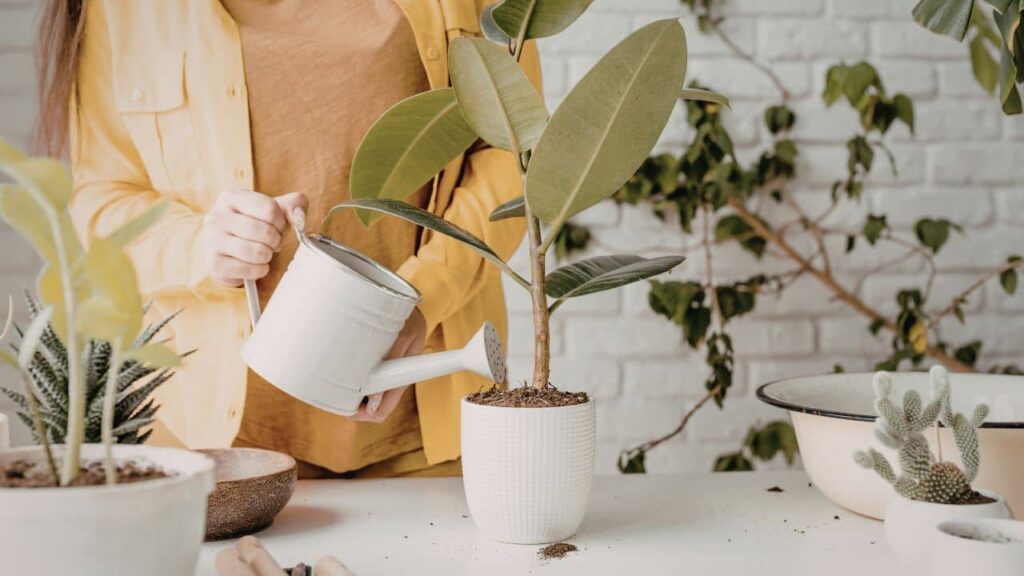
Overwatering is the number one cause of houseplant leaves yellowing. When roots sit in soggy soil for too long, they cannot absorb oxygen properly, leading to indoor plant root rot. Check the soil before watering: if the top inch is still moist, wait another day or two. Always use pots with drainage holes.
2. Underwatering
On the flip side, underwatering vs overwatering plant symptoms can look surprisingly similar. With underwatering, leaves turn yellow, feel dry or crispy at the edges, and the soil will be bone dry. Water your plant thoroughly until it drains from the bottom, and establish a consistent watering schedule.
3. Nutrient Deficiency
A nutrient deficiency in houseplants, particularly a lack of nitrogen, iron, or magnesium, causes older or newer leaves to yellow, depending on which nutrient is missing. Feed your plants with a balanced liquid fertilizer every two to four weeks during the growing season (spring and summer) to keep nutrient levels healthy.
4. Poor Lighting Conditions
The effects of low light on indoor plants are often underestimated. Most houseplants need bright, indirect light to produce chlorophyll effectively. When a plant is placed too far from a window or in a dim corner, photosynthesis slows down, and leaves begin to pale and yellow. Move your plant closer to a natural light source and observe the improvement within a few weeks.
5. Temperature Stress and Drafts
Indoor plants are sensitive to sudden temperature changes. Cold drafts from air conditioners, open windows, or heating vents can shock a plant’s system, causing leaves to yellow and drop. Keep your plants away from vents and exterior doors, and maintain a consistent indoor temperature between 60 and 80 degrees Fahrenheit.
6. Pest Infestations
Spider mites, mealybugs, and fungus gnats are common culprits behind houseplant leaves yellowing. These pests feed on plant tissue and sap, draining the plant of nutrients and moisture. Inspect the undersides of leaves regularly for tiny bugs, webbing, or sticky residue. Treat infestations with neem oil or insecticidal soap as part of your indoor plant care troubleshooting routine.
7. Root Bound Plants
When a plant outgrows its pot, its roots become compacted and struggle to absorb water and nutrients efficiently. This stress commonly shows up as yellowing leaves, especially on older growth. If you notice roots circling the bottom of the pot or pushing out of drainage holes, it is time to repot into a container one size larger with fresh potting mix.
How to Fix Yellow Leaves on Plants: Key Takeaways
Fixing yellow leaves starts with diagnosing the right cause. Here is a quick approach to indoor plant care troubleshooting:
- Check soil moisture first before assuming the worst
- Inspect leaves closely for signs of pests or discoloration patterns
- Evaluate your plant’s light exposure and adjust placement
- Feed with a balanced fertilizer if the soil has been depleted
- Repot if roots are crowded and growth has stalled
One often-overlooked concern for indoor plant health is air quality. If you are also wondering whether your plants could be affecting your home environment, you might want to know about whether can indoor plants cause mold, as excess moisture from overwatering or poor drainage can sometimes contribute to mold issues in your space.
When to Remove Yellow Leaves
Once a leaf has fully turned yellow, it will not turn green again. Remove yellow leaves promptly using clean scissors to redirect the plant’s energy toward healthy growth and to prevent any potential spread of disease. With the right care adjustments, most plants bounce back within a few weeks, looking healthier and more vibrant than before.

