

Scary fact: the ASPCA Animal Poison Control Center receives over 400,000 calls every year about pet poisonings, and a large chunk of those involve common houseplants. If you are a plant lover with furry roommates, finding pet friendly indoor plants safe for cats and dogs is not optional.
It is essential. I put this list together so you never have to guess again.
Every plant on this list is verified against the ASPCA’s official non-toxic plant database. Let’s get into it.
Why Plant Safety Matters for Pet Owners
Cats and dogs are naturally curious. They chew, sniff, and knock things over. Many popular houseplants like pothos, peace lily, and philodendron are actually toxic to pets and can cause vomiting, kidney failure, or worse.
As a responsible pet owner, choosing houseplants that won’t harm pets is one of the smartest things you can do for your home. The good news is that there are plenty of beautiful, low-maintenance, pet-safe houseplants that look just as stunning as the toxic ones.
What Makes a Plant Pet Safe?
A plant is considered pet safe when it contains no compounds that cause serious harm if chewed or ingested by cats or dogs. The gold standard for verification is the ASPCA’s non-toxic plant list.
I always recommend cross-checking any new plant against the ASPCA database before bringing it home. ASPCA-approved non-toxic plants give you real peace of mind, especially if your pet is the curious type.
10 Best Pet-Friendly Indoor Plants Safe for Cats and Dogs
1. Spider Plant (Chlorophytum comosum)

The spider plant is one of the most popular non-toxic houseplants for pets in the world, and for good reason. It is safe for both cats and dogs, thrives in indirect light, and practically grows itself. It also filters carbon monoxide and formaldehyde from indoor air. It is one of the best pet-safe hanging and trailing indoor plants because the long cascading leaves stay out of reach when hung high.
Care tip: Water once a week. Keep in bright to moderate indirect light.
2. Boston Fern (Nephrolepis exaltata)
Boston ferns are fully ASPCA-approved, non-toxic plants for both cats and dogs. They love humidity, which makes them perfect for bathrooms and kitchens. They also act as natural air humidifiers, releasing moisture into dry indoor air. If your home tends to get dry in winter, this plant is doing double duty for you.
Care tip: Mist the leaves regularly and keep the soil slightly moist at all times.
3. Areca Palm (Dypsis lutescens)
If you want a bold, tropical look without any risk to your pets, the areca palm is your answer. It is completely safe for cats and dogs and was also rated one of the top air-purifying plants by NASA’s Clean Air Study. It removes xylene and toluene from indoor air effectively. This is one of the best dog-safe indoor plants for living rooms and open spaces.
Care tip: Place in bright indirect light. Water when the top inch of soil feels dry.
4. Calathea (Calathea spp.)
Calathea plants are stunning. Their patterned, colorful leaves make them one of the most decorative indoor plants safe for cats and dogs available today. They are non-toxic to pets and thrive in low to medium light, making them ideal for apartments. If you are also looking for great options that work in compact spaces, check out our guide on the best indoor plants for small apartments for more space-smart picks.
Care tip: Keep away from direct sunlight. They love humidity and consistent moisture.
5. Parlor Palm (Chamaedorea elegans)

The parlor palm is one of the most vet-approved safe plants for pets you will find. It is elegant, slow-growing, and perfectly safe if your cat decides to chew on a frond. It handles low-light conditions very well, making it a great fit for rooms without big windows. The ASPCA confirms it is non-toxic to both cats and dogs.
Care tip: Water moderately and avoid overwatering. It prefers low to bright indirect light.
6. Haworthia (Haworthia spp.)
If you love the look of succulents but worry about aloe vera being toxic to pets, haworthia is your safe alternative. It looks almost identical to aloe but is completely non-toxic to cats and dogs. It is tiny, slow-growing, and one of the best low-maintenance, pet-safe houseplants you can own. Perfect for a windowsill or desk.
Care tip: Water every 2 to 3 weeks. It loves bright indirect light.
7. Friendship Plant (Pilea involucrata)
The friendship plant has gorgeous, textured leaves and a compact growth habit. It is safe for both cats and dogs and works beautifully as a non-toxic houseplant for pets in small spaces. It thrives in moderate humidity and indirect light. It is also one of the easiest plants to propagate, so you can share cuttings with friends easily.
Care tip: Keep soil consistently moist and place in indirect light.
8. Money Plant — Swedish Ivy (Plectranthus australis)
Swedish ivy is often confused with toxic ivy varieties, but this one is completely safe for pets. It is a great pet-safe hanging and trailing indoor plant that grows quickly and looks stunning in a hanging basket. It is also one of the best houseplants that won’t harm pets for homes with cats who love to bat at hanging leaves.
Care tip: Water when the top inch of soil is dry. It enjoys moderate to bright indirect light.
9. Roses (Rosa spp.)
Yes, roses are pet safe. The ASPCA confirms that roses are non-toxic plants for cats and dogs, though the thorns can cause minor physical irritation. A small potted miniature rose on your windowsill adds color, fragrance, and zero toxic risk to your home. They are one of the most underrated vet-approved safe plants for pets.
Care tip: Place in a spot with at least 6 hours of bright light daily. Water regularly.
10. Blue Echeveria (Echeveria glauca)
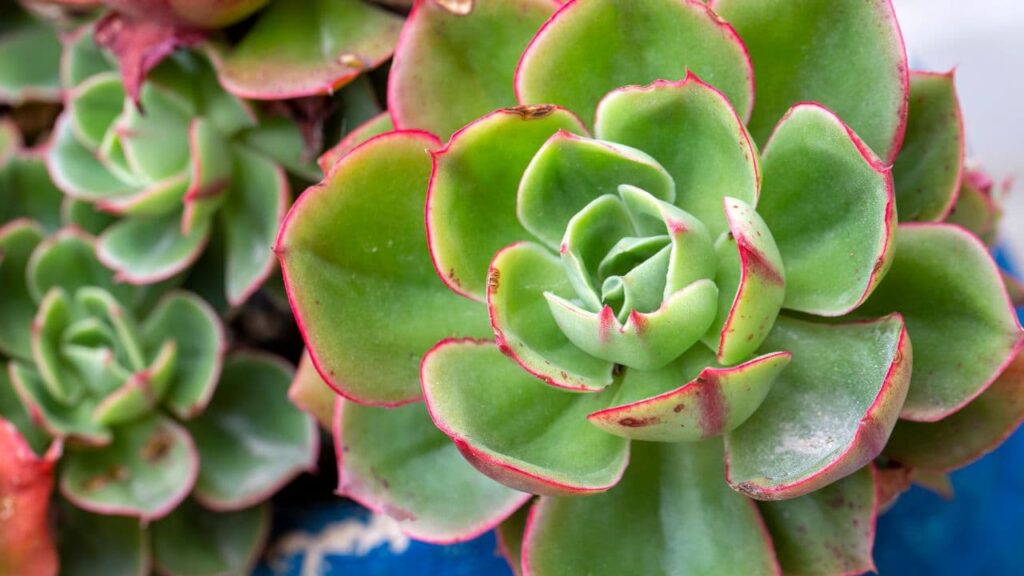
Ble echeveria is a beautiful succulent that is fully safe for cats and dogs. It is one of the most visually striking ASPCA-approved non-toxic plants in the succulent family. It stays compact, requires very little water, and adds a soft blue-green color to any shelf or desk. Perfect for pet owners who want style with zero worry.u
Care tip: Water every 2 to 3 weeks. Needs bright light to maintain its color.
Plants to Avoid — Toxic Houseplants to Keep Away from Pets
Knowing the safe list is great, but knowing what to avoid is just as important. Here are the most common toxic houseplants to avoid with pets:
- Pothos: toxic to cats and dogs, causes oral irritation and vomiting
- Peace lily: highly toxic, can cause kidney failure in cats
- Philodendron: causes burning and swelling in the mouth
- Aloe vera: causes vomiting and lethargy in dogs and cats
- Sago palm: extremely toxic, can be fatal to both cats and dogs
If you have any of these at home, move them to a room your pets cannot access or replace them with the safe options above.
Frequently Asked Questions
Which indoor plants are completely safe for both cats and dogs?
Spider plants, Boston ferns, areca palms, calathea, parlor palms, and haworthia are all confirmed non-toxic plants for cats and dogs by the ASPCA. All six are safe if chewed or ingested in small amounts.
How do I know if a plant is pet safe?
Always check the ASPCA’s official online database at aspca.org before buying a new plant. It is the most trusted and comprehensive list of ASPCA-approved non-toxic plants and toxic plants for cats, dogs, and horses.
Are succulents safe for pets?
Most succulents are not safe for pets. Aloe vera, jade plant, and kalanchoe are all toxic. However, Haworthia and blue echeveria are confirmed dog-safe indoor plants and cat-safe options that look just as good.
Can pets eat pet-safe plants without getting sick?
Even non-toxic houseplants for pets can cause mild stomach upset if eaten in large quantities. Safe means not seriously harmful, but it does not mean zero reaction. Discourage chewing where possible.
What is the easiest pet-safe plant to care for?
The spider plant and haworthia are the two easiest low-maintenance pet-safe houseplants for beginners. Both survive irregular watering and low light without complaint.

