

Indoor vs outdoor plants which suits your home better, is the question almost every new plant lover is asking in 2026, as searches for home greenery have grown more than 200 percent in the last few years. You want a beautiful, low-stress home, not a jungle you’re constantly fighting with.
Let’s walk through this together so you can pick the right mix for your space, lifestyle, and budget.
Why plants at home matter in 2026
More people work from home and spend over 60–90 percent of their time indoors, so plants now play a big role in wellbeing, productivity, and design. Studies show indoor greenery helps reduce stress and improve focus, while outdoor greenery boosts curb appeal and property value.
That is why choosing between indoor vs outdoor plants for the home is not just a decor decision, it is a lifestyle one.
Quick answer: indoor vs outdoor – who wins?
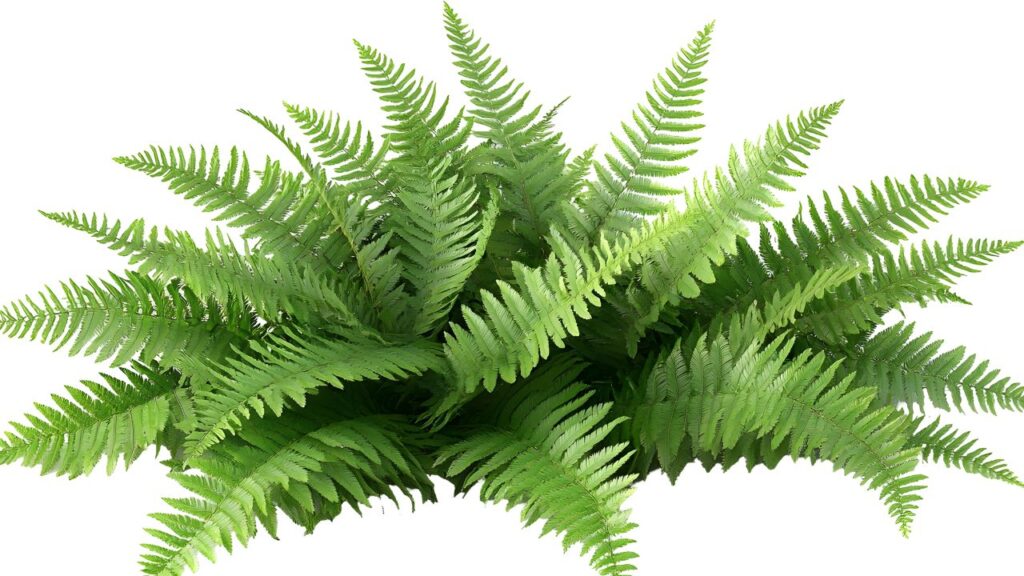
If you live in a small apartment, rented space, or a home with limited sunlight or no yard, indoor plants generally suit you better. They need controlled light, less space, and can improve air quality and mood indoors.
If you have a balcony, terrace, or yard and love being outside, outdoor plants win for impact, biodiversity, and curb appeal, especially in mild or tropical climates where plants grow fast and lush.
Key differences: care, climate, and effort
Light and environment
- Indoor plants are adapted to lower light and more stable temperatures.
- Outdoor plants thrive in full sun, natural rain, and bigger temperature swings.
So if your question is indoor vs outdoor plants, which suits your home better, and you have dark rooms or very strong seasonal changes, indoor options are usually safer.
Maintenance and time
- Many low maintenance indoor vs outdoor plants are bred to handle less frequent watering and irregular care.
- Outdoor plants often face pests, heavy rain, direct sun, and storms, so they may need more monitoring even if they are “hardy”.
If you are busy, travel often, or forget watering, indoor plants for beginners like snake plant and pothos tend to survive better than delicate outdoor flowers.
Which suits your home better?

1. Small apartments, condos, and rentals
For compact spaces, the best plants for small apartments, indoor vs outdoor, are almost always indoor types. They give you control and do not depend on your building’s outdoor conditions.
If you are wondering how to style indoor plants in small apartments, a dedicated guide on that topic will help you use vertical shelves, hanging planters, and corner groupings to make the most of tight spaces.
2. Homes with balconies or terraces
If you have a balcony, you can mix both indoor and outdoor plants for the balcony or terrace by
- Putting sun-loving outdoor plants like geraniums or herbs at the railing.
- Keeping shade-friendly indoor plants near the wall or door where the light is softer.
This way, you do not have to decide between indoor or outdoor plants, which is better; you use each where it performs best.
3. Families, pets, and health
If you have kids or pets, which plants are easier to care for indoors or outdoor and safer becomes crucial.
- Indoors, pick non-toxic, sturdy plants and stable pots.
- Outdoors, avoid thorny or poisonous species near play areas.
Always cross-check toxicity for both indoor plants and outdoor plants before buying.
Data-driven benefits: indoor vs outdoor
Indoor plants benefits vs outdoor plants benefits
Research and home improvement data show:
- Indoor air purifying plants vs outdoor garden plants
- Indoor: can help reduce certain indoor pollutants and make spaces feel fresher, especially in sealed, air-conditioned homes.
- Outdoor: support pollinators, shade, and cooler surroundings, which can reduce heat around the home and support local ecosystems.
- Outdoor plants strongly influence curb appeal, which real estate data links to higher perceived property value.
So if you care more about your personal daily environment, indoor might rank higher; if you care about property impact and biodiversity, outdoor plants are powerful.
How to decide in one minute
Use this quick lens for indoor vs outdoor plants, which suits your home better:
- Choose indoor plants if:
- You have no yard or only a tiny balcony.
- You want low-light, low-maintenance options.
- You care about air quality and interior mood.
- Choose outdoor plants if:
- You have usable outdoor space.
- You enjoy gardening and don’t mind weather, pests, and soil work.
- You want a big visual impact from the street.
Many homeowners get the best results with a hybrid strategy: indoor plants for daily wellbeing and design, outdoor plants for impact and nature connection.
FAQ: People also ask about indoor vs outdoor plants
Are indoor plants better than outdoor plants?
Neither is “better” overall. Indoor plants are better for improving indoor comfort, design, and air in small or urban homes, while outdoor plants are better for curb appeal, biodiversity, and large-scale greenery. The best choice depends on your space, climate, and time for care.
Which plants are easier to care for – indoor or outdoor?
For most beginners, hardy indoor plants for beginners like snake plant, pothos, and ZZ plant are easier because they tolerate low light and irregular watering. Outdoor plants must handle full sun, rain, wind, and pests, so even “easy” varieties need more monitoring.
Can the same plant be used indoors and outdoors?
Some species work as indoor vs outdoor plants for the home if your climate is mild, such as certain ferns, succulents, and herbs. However, moving plants between indoors and outdoors too quickly can shock them due to changes in light, temperature, and humidity, so any transition should be gradual.
How many plants should I have indoors?
There is no fixed number, but several studies suggest that multiple plants spread across a room are more effective for wellbeing than a single plant in a corner. Start with three to five indoor plants in key spaces like your living room, workspace, and bedroom, then scale up as you learn what you can realistically maintain.
If you tell me a bit about your exact home (apartment or house, balcony or yard, and how much time you can give plants each week), I can recommend specific indoor and outdoor plant types tailored to you.

