
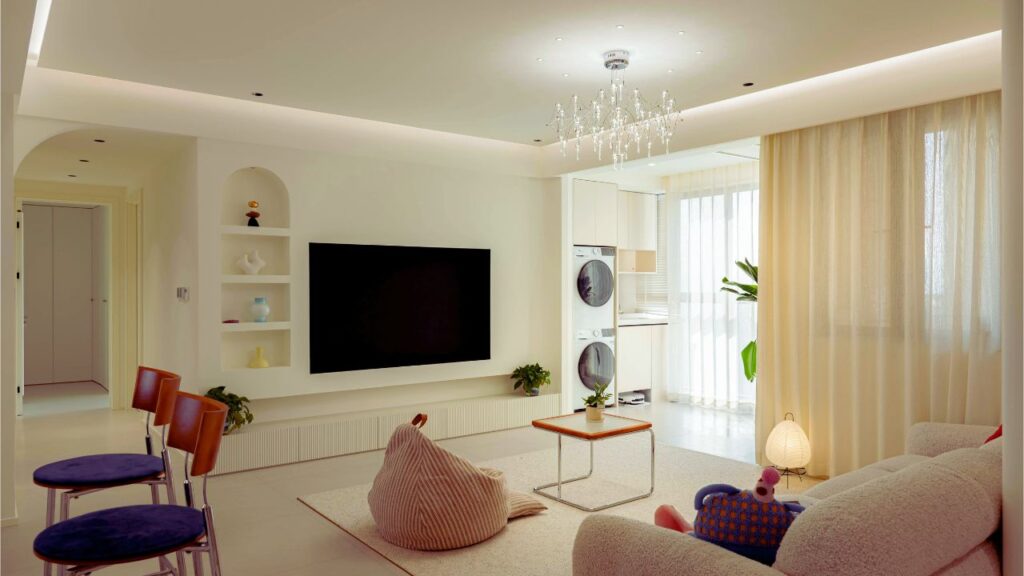
Living room lighting ideas with layered light are the one thing most homeowners completely overlook, and it shows. Studies suggest that nearly 70% of homes rely on a single overhead light in the living room. That one bulb does nothing for your mood, your decor, or your comfort.
Think about the last time you walked into a room that just felt right. Warm, inviting, alive. I can almost guarantee that the room had more than one light source working together. That is the power of layered lighting, and it is much easier to pull off than you think.
In this article, I am going to walk you through 10 simple, practical living room lighting ideas with layered light that you can start using today, whether you are decorating from scratch or just fixing what is not working right now.
What Is Layered Lighting?
Before we dive in, let me quickly explain the concept. Layered lighting in interior design means using three types of light together: ambient lighting (your base light), task lighting (focused, functional light), and accent lighting (decorative, dramatic light).
When these three work together, your room stops looking like an office and starts feeling like a home.
10 Living Room Lighting Ideas with Layered Light
1. Start with a Warm Ambient Base
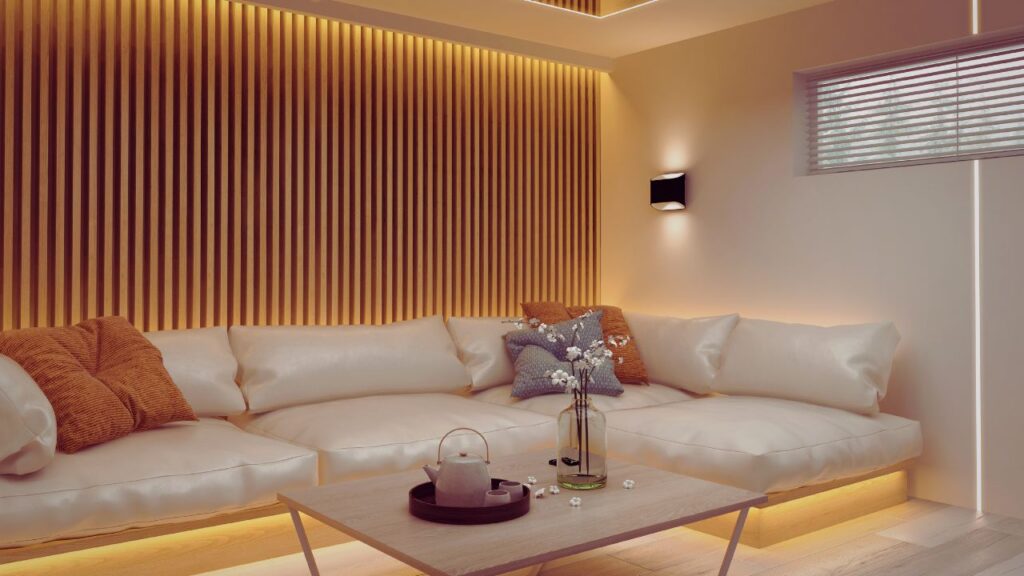
Ambient lighting is the foundation of every great room. Think recessed downlights, a central pendant, or a statement chandelier. Aim for around 20 lumens per square foot, so a 250 sq. ft. living room needs roughly 5,000 lumens total. Use warm bulbs between 2700K and 3000K for that cozy, golden feel.
2. Install Dimmable Lights for Every Mood
One of the simplest living room lighting design tips is adding dimmer switches. They cost very little but give you full control over the mood. Movie night? Dim everything low. Reading time? Bring it back up. Dimmable fixtures let a single room serve multiple purposes without buying new lights.
3. Use Floor Lamps to Fill Dark Corners
Dark corners make a room feel smaller. A tall floor lamp for layered living room lighting pushes warm light upward and outward, softening shadows and making the space feel twice as big. Place one behind a sofa or beside an armchair for the best effect.
4. Add Table Lamps for Task Lighting
Table lamps are the unsung heroes of ambient, task, and accent lighting in living rooms. Put one on a side table next to your reading chair. According to lighting experts, task areas need roughly 50 lumens per square foot, so a small reading nook of 10 sq. ft. needs about 500 lumens. A well-chosen table lamp hits that perfectly.
5. Try Wall Sconces for Side Lighting
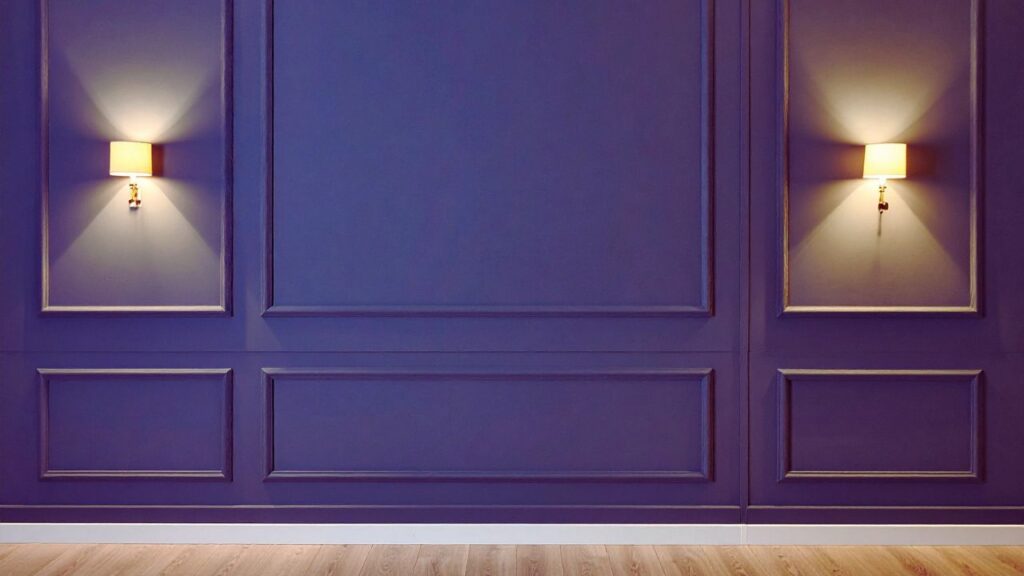
Living room wall sconce ideas with layered light are a designer favorite. Sconces mount directly on the wall and push light sideways across the room, creating depth and texture. They work beautifully on either side of a fireplace, a large artwork, or a media wall.
6. Highlight Artwork with Accent Lighting
Accent lighting to highlight artwork in a living room is what separates average rooms from magazine-worthy ones. Accent lights should be about three times brighter than your ambient light. Use adjustable recessed spotlights or a picture light mounted above a framed piece to draw the eye and create a focal point.
7. Try Cove or LED Strip Lighting
Cove lighting involves hiding LED strips along the top of walls or inside shelving units. The light bounces off the ceiling, creating a soft, indirect glow. This is one of the most popular recessed lighting ideas for living rooms right now because it adds a high-end, architectural look at a very low cost.
8. Layer with a Pendant Light Over a Coffee Table
Most people hang pendants only in kitchens. But a low-hanging pendant over your coffee table is a bold design move that defines your seating zone. It adds task and ambient lighting at the same time and gives the room a strong visual anchor. Choose a warm-toned bulb between 2700K and 3000K for the best atmosphere.
9. Use Smart Bulbs to Control Everything
Smart bulbs for layered home lighting are a game-changer. Brands like Philips Hue or LIFX let you change color temperature, dim levels, and even set schedules from your phone. You can switch from a bright, energizing morning light to a soft, relaxing evening tone all without getting off the couch.
10. Mix Different Fixture Heights
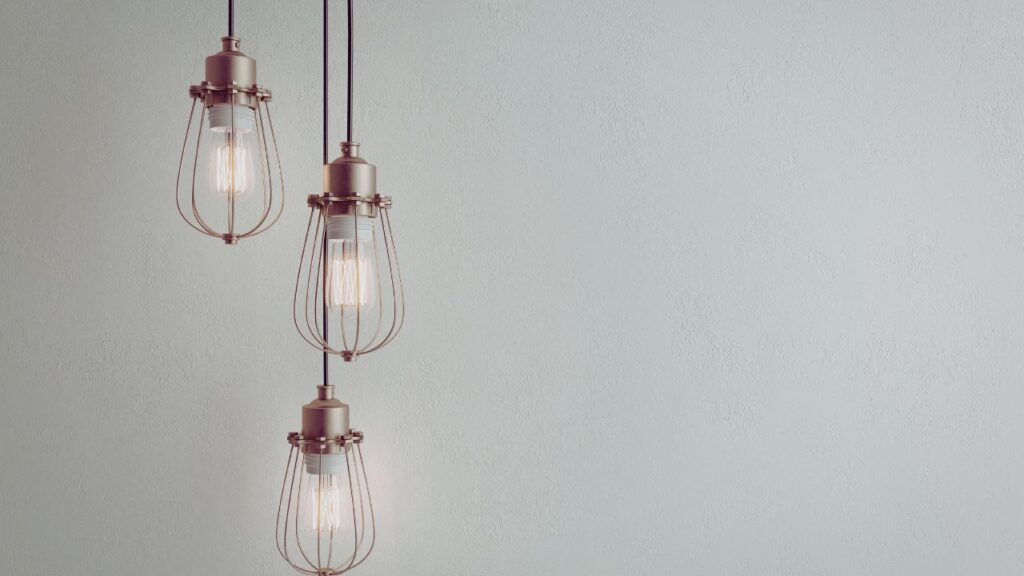
The secret most designers never tell you? Vary your light heights. Combine a ceiling fixture (high), wall sconces (mid), and floor or table lamps (low). This creates a three-layer lighting design that feels rich and intentional. When light comes from multiple levels, the room feels warm, full, and professionally styled.
Don’t Forget Other Rooms
Great lighting is a whole-home strategy. If you want to carry this warm, layered feeling into your bedroom, check out our guide on bedroom lighting ideas for a cozy atmosphere where we walk through the same layered approach, adapted for rest and relaxation.
Frequently Asked Questions
Q: What are the three layers of lighting in a living room?
The three layers are ambient lighting (general illumination), task lighting (focused light for activities), and accent lighting (decorative light that highlights features). Using all three together creates a balanced and flexible lighting design.
Q: How many lumens do I need for a living room?
Aim for about 20 lumens per square foot for ambient light. A 250 sq. ft. living room needs approximately 5,000 lumens, spread across multiple light sources rather than one single fixture.
Q: What is the best color temperature for a cozy living room?
For a warm, cozy feel, use bulbs with a color temperature between 2700K and 3000K. This range mimics natural warm light, making the space feel inviting rather than clinical.
Q: How do I layer lighting in a small living room?
For warm lighting ideas in a small living room, use wall sconces and floor lamps instead of large ceiling fixtures. This keeps the sightlines open while adding depth. Mirrors placed near light sources also help bounce light around the room, making the room feel larger.
Q: Should accent lighting be brighter than ambient lighting?
Yes. Accent lighting should be about three times brighter than the surrounding ambient light to create proper contrast and draw attention to the focal point.

